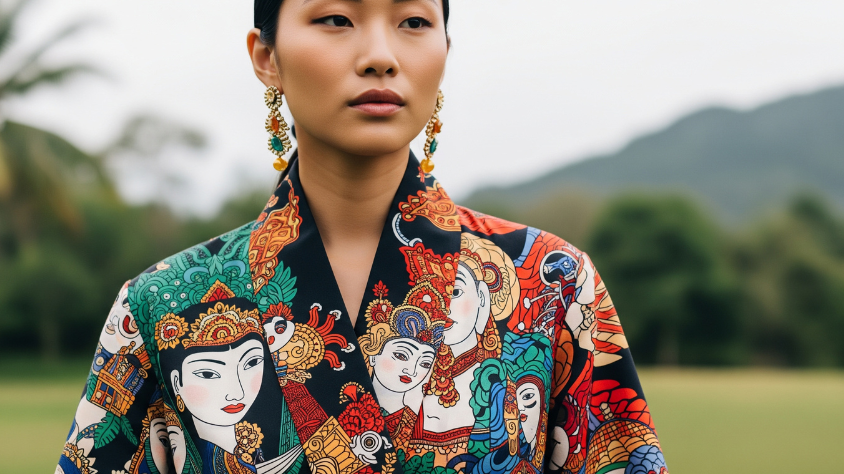
What is considered beautiful may vary across the world. While Asians see fair skin as beautiful, Europeans watch the Asian tan with envy. Deeply rooted cultural beliefs may have carved these standards, and whatever they may be, the quest for beauty remains eternal. It is therefore no surprise that the beauty market will always thrive, no matter how difficult the retail environment. All women would know that there is no such thing as settling for one shade of lipstick, regardless of how tight the purse string may be!
So big and resilient is the beauty market, it was valued at USD 532.43 billion in 2017, and is expected to reach a market value of USD 805.61 billion by 2023 (source). As the industry evolves, so do knowledge of consumers, thanks to the media, social or otherwise. And as quickly as your favourite lipstick shade gets axed by M.A.C., the beauty industry too, could not escape changing and developing. Consciousness started to grow over the safety of ingredients that go into beauty products – even more so as beauty became associated with health and wellness. Not long after, came the emergence of Halal beauty and skincare, making loud waves in predominantly Muslim populated countries like Indonesia and Malaysia. Whilst Millennials are showing an increased preference for natural, organic, and vegan products, Halal beauty and skincare products are perceived to be safer by all consumers – both Muslim and non-Muslim – because of the nature of the process and raw materials used in manufacturing and the strict certification guidelines.
We have seen Gwyneth Paltrow made natural and organic makeup and skincare line the way of life through her company, Goop, in 2016; and on the home front, Halal beauty company Pretty Suci did Malaysia proud by being made available on Sephora early this year. Natural and Halal beauty and skincare products – from pretty nail polishes to luxurious body scrubs – began to conquer their own market segments respectively, growing quickly and furiously. Globally, the demand for halal beauty and skincare products are estimated to be around $20 billion, with the Asia Pacific region alone accounting for almost 75% of the demand (source). With socio economics conditions improving considerably, the market seem set for even greater growth.
Orlins Venture Group (OVG), is launching their first ever equity crowdfunding (ECF) campaign through Ata Plus’ platform. OVG aims to embrace all these changes, taking note specifically on the development of natural and Halal beauty and skincare products and its growing market demand in South East Asia. Founded in 2016, OVG markets and distributes affordable leading natural and Halal beauty and skincare products (including those used in professional aesthetics salons and spas) online and through retail markets in Malaysia, Indonesia, Singapore and Philippines.
Malaysians reportedly spent USD$10 million on beauty and skincare in 2015, and Malaysia has been investing significantly in various emerging Halal product segments, targeting to evolve as the global hub for Halal industries including Halal beauty and skincare products. Jabatan Kemajuan Islam Malaysia or JAKIM has received worldwide recognition as a credible Halal certification agency. Indonesia and Thailand too, are two countries with significant increase in demand for beauty and skincare products over the years. The natural and organic beauty market in South East Asia is expected to reach USD 22 billion by 2024. With all these encouraging developments, OVG sees the demand for the beauty industry to be truly optimistic beyond 2017.
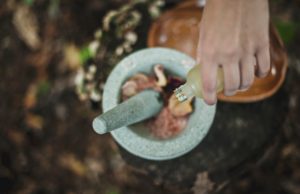
With a great emphasis on affordable, chemical free, natural and Halal beauty and skincare products, OGV takes great pride in choosing to market products with well known natural ingredients like Thanaka barks and turmeric extracts. Which are known for their powerful anti inflammatory and antioxidants properties. These beneficial ingredients are packed into makeup, hair and body products like De leaf Thanaka, Carebeau and Dentamate. Besides having the assurance that they are safe and natural- having been certified by the Ministry of Health in Malaysia, they are also affordable, and cater to the Asian market quite nicely. Some of the products are suitable for both men and women, as the need for men’s grooming products has also been known to grow over the years.
OVG hopes to expand and grow further into the South East Asia market, and reaching 1 million new consumers. With OVG’s strong belief that beauty should be affordable and accessible to all women and men across all diverse cultures in its utmost quality, efficacy and safety, here’s to affordable, healthy and glowing skin all across the world – be they fair or tanned!